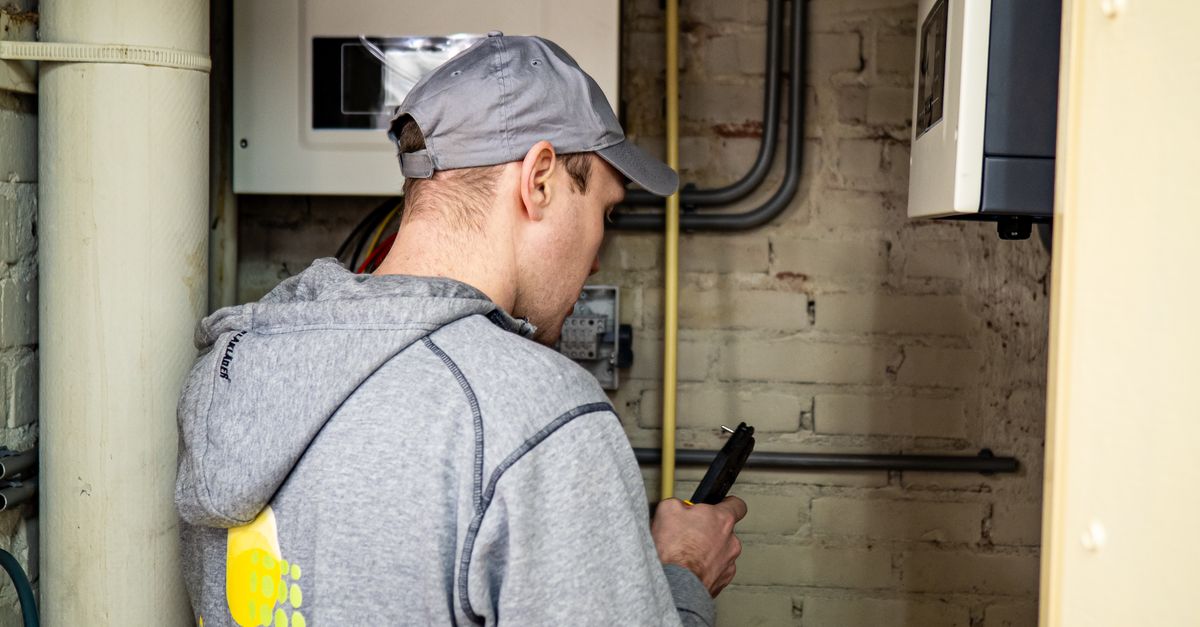
Troubleshooting Electrical Issues in Commercial Settings
Table Of Contents
Addressing Power Surges
Power surges can result from various factors including lightning strikes, equipment malfunctions, and sudden changes in electricity usage. When there is a sudden increase in voltage in an electrical system, sensitive devices and appliances may suffer damage. The consequences of inadequate surge protection can include costly repairs or replacements of equipment as well as potential data loss for businesses reliant on computers and other electronics.
To effectively address power surges, installing surge protection devices (SPDs) is crucial for safeguarding equipment and ensuring system integrity. Regularly assessing and upgrading electrical infrastructure can help mitigate risks associated with surges. Designing electrical systems with built-in redundancy can also provide additional layers of protection against unexpected voltage spikes, thereby enhancing overall operational reliability.
Causes and Effects of Power Surges
Power surges occur due to several factors, including external influences such as lightning strikes, utility company fluctuations, and the operation of heavy machinery. Internal factors can also contribute, such as the sudden disconnection of high-current devices that may create a backfeed of electricity into the system. This imbalance can lead to excessive voltage levels that exceed the normal operating range for electrical equipment and fixtures.
The effects of power surges can be significant, potentially damaging sensitive electronics and appliances. Equipment may experience reduced lifespan or complete failure due to exposure to voltage spikes. Furthermore, power surges can disrupt business operations, leading to costly downtime and repair expenses, particularly in environments relying heavily on technology and electrical equipment for daily functions.
Dealing with Overloaded Circuits
Overloaded circuits often occur when the demand for electricity exceeds the capacity of the wiring or circuit breakers. This situation commonly arises in commercial settings where numerous devices are used simultaneously. Equipment such as computers, printers, and appliances can each draw considerable power. When too many devices are connected to a single circuit, it can lead to circuit tripping or, in more severe cases, electrical fires. Ensuring that circuits are not overloaded is essential for both safety and operational efficiency.
Identifying circuit overloads requires careful monitoring of power usage and awareness of the signs, such as flickering lights or warm outlets. A fundamental approach involves reviewing the circuit's capacity and comparing it with the cumulative wattage of connected devices. Implementing a load calculation can provide clarity on whether a circuit is operating within its safe limits. If overloads are detected frequently, it may be necessary to redistribute the load across multiple circuits or upgrade existing wiring to handle additional demand.
Identifying Circuit Overloads
Circuit overloads can manifest through various signs that suggest electrical systems are struggling to cope with the demands placed upon them. Observing flickering lights, frequent tripping of circuit breakers, or the smell of burning insulation can indicate that a circuit is overloaded. In many cases, using multiple high-wattage devices on the same circuit exacerbates the problem. Identifying these warning signs early can prevent more severe issues, including potential fire hazards.
To accurately assess whether a circuit is overloaded, it's essential to evaluate the amperage draw of connected devices against the circuit's capacity. Each circuit typically has a designated limit — generally 10 or 15 amps in commercial settings. Calculating the total wattage of all devices plugged into a single circuit can provide clarity. If this total exceeds the circuit's rating, an overload is likely occurring, warranting adjustments to the electrical load or reconfiguration to distribute electrical demands more evenly across multiple circuits.
Importance of Regular Maintenance
Regular maintenance of electrical systems significantly reduces the risk of unexpected failures. With constant use, wiring insulation can degrade over time. Scheduled inspections can detect such deterioration early, minimising the potential for shorts or fires. Furthermore, maintenance helps ensure that all components function correctly, promoting energy efficiency and prolonging equipment lifespan.
In a commercial setting, where the electrical demand can be high, maintaining systems isn’t just a safety precaution; it’s a fundamental aspect of operational efficiency. Identifying issues before they escalate saves time and resources. Regular checks of circuit breakers, wiring, and other critical components can prevent costly downtime and maintain a safe working environment for employees and customers alike.
Preventative Measures for Electrical Safety
Regular inspection of electrical systems plays a vital role in identifying potential hazards before they escalate. Scheduling routine checks can reveal worn wires, loose connections, and outdated equipment. Electricians should carry out these assessments, as they possess the expertise to assess conditions accurately. Keeping an up-to-date record of inspections contributes to effective management and aids in adhering to safety standards.
Utilising modern technology can enhance electrical safety in commercial environments. Installing surge protectors and circuit breakers provides an added layer of protection against unexpected surges and overloads. Additionally, implementing energy-efficient appliances reduces strain on the electrical system. Educating staff on basic electrical safety practices encourages a culture of awareness, helping to prevent accidents and ensuring a safer workplace.
FAQS
What are common causes of power surges in commercial settings?
Common causes of power surges include lightning strikes, faulty wiring, electrical equipment malfunctions, and sudden changes in electrical load.
How can I identify if a circuit is overloaded?
Signs of an overloaded circuit include tripped circuit breakers, flickering lights, outlets that feel warm to the touch, and a burning smell near electrical devices or outlets.
Why is regular maintenance important for electrical systems in commercial buildings?
Regular maintenance helps to identify potential issues before they become serious problems, ensures compliance with safety regulations, and can prolong the lifespan of electrical systems.
What preventative measures can be taken to enhance electrical safety in commercial environments?
Preventative measures include regular inspections by qualified electricians, installing surge protectors, ensuring proper grounding, and educating staff on safe electrical practices.
When should I seek professional help for electrical issues in my business?
You should seek professional help if you notice persistent electrical problems, such as frequent circuit overloads or power surges, or if you observe any signs of electrical hazards like burnt outlets or strange noises.
Related Links
Key Indicators That Your Commercial Electrical System Needs RepairThe Role of Upkeep in Ensuring Electrical Safety
How to Identify Electrical Problems Before They Escalate
Essential Maintenance Practices for Commercial Electrical Systems
Common Repair Techniques for Faulty Electrical Installations
A Guide to Emergency Electrical Repairs in Businesses
Best Practices for Documenting Electrical Maintenance
Understanding the Importance of Regular Electrical Maintenance
Navigating the Costs of Commercial Electrical Repairs