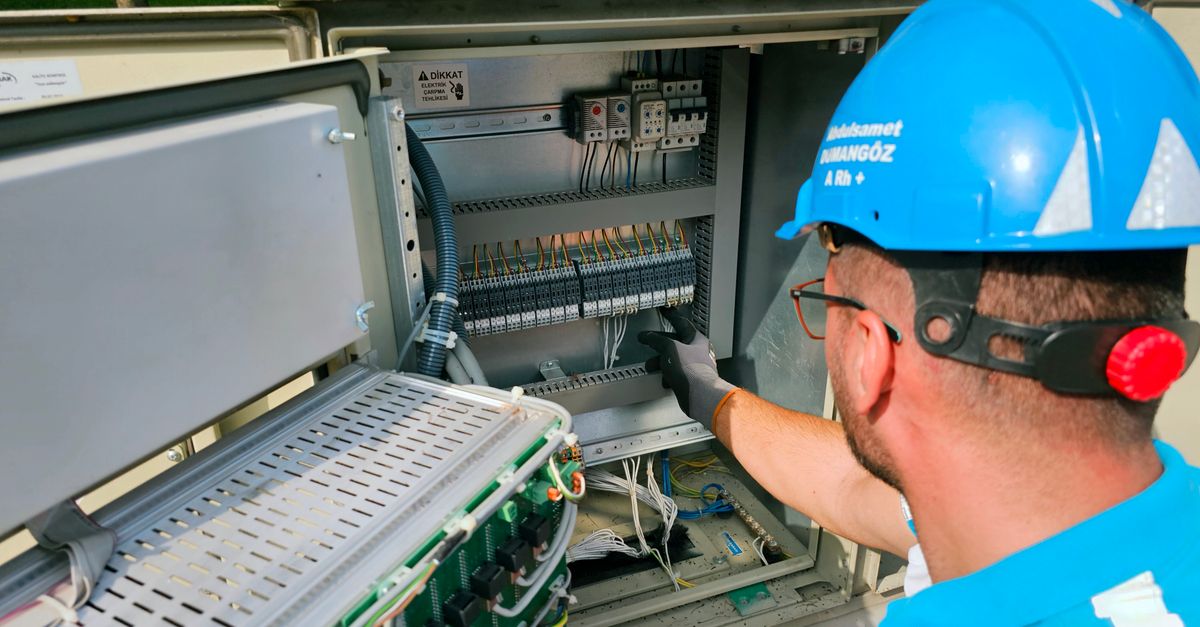
The Role of Vocational Education in Developing Expert Electricians
Table Of Contents
Apprenticeships in the Electrical Field
Apprenticeships serve as a vital pathway for individuals seeking to enter the electrical profession. These programmes offer a blend of practical experience and theoretical knowledge, allowing apprentices to learn directly from experienced tradespeople. Through hands-on training, apprentices acquire essential skills that are often difficult to capture in a classroom setting. This immersive approach not only bolsters the apprentice's confidence but also enhances their ability to troubleshoot and tackle real-world challenges in various electrical installations.
The duration and structure of an apprenticeship in the electrical field can vary, typically lasting around four years. During this time, apprentices work alongside qualified electricians while attending vocational education courses to reinforce their learning. This dual approach ensures that they are well-versed in current electrical codes and safety practices. By the end of the apprenticeship, participants emerge as skilled professionals ready to contribute effectively to the workforce. This model not only supports individual career development but also addresses the growing demand for qualified electricians in an ever-evolving industry.
Benefits of On-the-Job Training
Engaging in on-the-job training provides aspiring electricians with invaluable hands-on experience that cannot be replicated in a classroom. This practical exposure fosters a deeper understanding of electrical systems and instills essential problem-solving skills. Trainees learn to navigate real-world challenges, gaining insights into safety protocols and compliance standards. Working alongside seasoned professionals enables them to absorb techniques and methodologies that enhance their expertise.
Additionally, this form of training allows for immediate application of theoretical knowledge. Trainees can observe and participate in live projects, which reinforces their learning. The dynamic environment of on-the-job training promotes adaptability and critical thinking. Networking opportunities abound as trainees interact with professionals in the field, paving the way for future employment prospects. This immersive experience fosters a solid foundation for a successful career as an electrician.
Certification and Licensing Requirements
Electricians must meet specific certification and licensing requirements to ensure they possess the necessary skills and knowledge. Each Australian state and territory has its own regulatory body that governs the licensing process. These requirements typically include the successful completion of a recognised training program, which often combines classroom learning with hands-on experience. Applicants usually need to pass exams that assess their understanding of electrical theory, safety practices, and relevant legislation.
In addition to initial licencing, ongoing professional development is crucial for electricians. Changes in technology and industry standards necessitate continuous education to maintain licensure. Electricians may be required to participate in refresher courses or workshops to stay updated on modern practices and compliance issues. Upholding these certification standards ensures that electricians deliver safe and reliable services to their clients.
Navigating Regulatory Standards
Electricians must adhere to a range of regulations that ensure safety and professionalism in their work. Understanding the legal requirements for certification and licensing is essential for those entering the trade. In Australia, each state and territory has its own specific guidelines that govern the electrical industry. These regulations often include qualifications needed for practice, mandated safety standards, and continuing education requirements. Aspiring electricians should prioritise familiarising themselves with these standards to remain compliant and maintain public trust.
Staying informed about changes in regulatory standards is crucial for practice in the electrical field. The landscape of legislation can evolve, driven by advancements in technology and a growing emphasis on sustainability. Electricians need to engage with industry bodies, attend relevant seminars, and participate in ongoing training programs to keep their knowledge up to date. Such proactive measures not only enhance professional credibility but also ensure that electricians can meet the expectations of clients and the industry at large.
Future Trends in Electrical Vocational Education
Advancements in technology are reshaping the landscape of vocational education in the electrical field. The integration of digital tools and online learning platforms allows students to access resources that enhance their understanding of complex electrical systems. These technological innovations facilitate interactive and flexible learning experiences. Additionally, use of virtual reality and augmented reality in training promises to provide safe, hands-on practice in a controlled environment.
The increasing demand for sustainable energy solutions is also influencing course offerings. Educators are incorporating renewable energy systems into curricula to prepare students for green technologies. Specialisations in solar, wind, and energy efficiency are becoming more prevalent. Partnerships with industry leaders are helping institutions stay up to date with market needs, ensuring future electricians are well-equipped for a rapidly evolving job environment.
Innovations and Technology Integration
The integration of advanced technology in vocational education is reshaping how budding electricians acquire their skills. Virtual reality (VR) and augmented reality (AR) offer immersive training experiences, simulating real-world scenarios without the associated risks. This hands-on approach not only enhances understanding but also builds confidence in performing complex electrical tasks. Additionally, online platforms provide access to a wealth of resources, allowing students to learn at their own pace while participating in interactive modules.
Emerging technologies like smart grids and renewable energy systems are also influencing course content. Educational programmes are evolving to include training on state-of-the-art equipment and software, equipping students with knowledge of sustainable practices. This focus on current innovations ensures that electricians are prepared for future challenges. Adapting to these advancements promotes a more competitive workforce, ultimately leading to improved job prospects and industry standards.
FAQS
What is vocational education in the context of the electrical field?
Vocational education in the electrical field focuses on providing practical skills and knowledge necessary for individuals to become proficient electricians. It combines theoretical instruction with hands-on training to prepare students for entry into the workforce.
How do apprenticeships benefit aspiring electricians?
Apprenticeships provide aspiring electricians with on-the-job training while allowing them to earn a wage. This experience is invaluable as it helps them apply theoretical knowledge in real-world scenarios, learn from experienced professionals, and develop practical skills.
What certification and licensing are required for electricians in Australia?
Electricians in Australia must obtain a license that varies by state or territory. Generally, this requires completing a vocational education program, gaining relevant work experience through an apprenticeship, and passing a licensing exam.
What are the key regulatory standards electricians must navigate?
Electricians must comply with various regulatory standards, including the Australian/New Zealand Wiring Rules (AS/NZS 3000), which outline safety practices for electrical installations. Additionally, they must adhere to local regulations that govern licensing and workplace safety.
What future trends are emerging in vocational education for electricians?
Future trends in vocational education for electricians include the integration of innovative technologies such as smart home systems, renewable energy solutions, and advanced training simulations. These trends aim to equip electricians with the skills needed to adapt to rapidly changing industry demands.
Related Links
Key Electrical Trade Qualifications Required for Commercial WorkUnderstanding the Importance of Electrical Trade Qualifications in Adelaide
Essential Trade Qualifications for Specialists in Commercial Projects
Exploring the Australian Qualifications Framework for Electricians
Pathways to Certification for Aspiring Commercial Electricians
The Impact of Trade Qualifications on Job Opportunities in Adelaide
Overview of Electrical Licences Required in South Australia