How to Assess the Technical Skills of a Commercial Electrician
Table Of Contents
Importance of Industry Standards
Adherence to industry standards is crucial for ensuring safety and quality in electrical work. These standards provide a framework that governs the practices, materials, and overall execution of electrical tasks. Compliance with established standards not only helps mitigate risks associated with electrical installations but also assures clients of the electrician's professionalism and expertise. This adherence ultimately fosters trust, forming the foundation of long-term professional relationships in the industry.
Additionally, following industry standards facilitates seamless collaboration among various stakeholders, including contractors, suppliers, and regulatory bodies. When electricians demonstrate a clear understanding of these standards, it paves the way for smoother project execution. It enhances communication and reduces the likelihood of misunderstandings or errors during the construction or renovation processes. Ultimately, a commitment to industry standards serves to enhance the overall efficiency and effectiveness of electrical work.
Familiarity with Compliance Regulations
An electrician’s understanding of compliance regulations is pivotal in ensuring both safety and quality in their work. Electrical installations must adhere to strict standards set by local and national authorities. Familiarity with the Australian Standards and the National Electrical Code is crucial for any commercial electrician. This knowledge helps in avoiding penalties and potential legal issues while ensuring that all systems operate efficiently and safely.
Compliance regulations also encompass updates in technology and practices within the electrical field. Electricians must stay informed about any changes in legislation or industry standards, attending training sessions or workshops as required. This ongoing education positions electricians not only as competent tradespeople but also as trusted advisors to clients who rely on their expertise to navigate complex regulatory landscapes.
Communication Skills in Electrical Work
Effective communication is crucial in the electrical trade. Electricians often work in teams and interact with clients or other professionals, making it essential to convey information clearly and accurately. Miscommunication can lead to errors, safety hazards, and costly delays. Therefore, an electrician must demonstrate the ability to listen actively and articulate technical concepts in a way that is easily understood by non-professionals. This competency can greatly enhance collaboration and ensure that projects run smoothly.
Another important aspect of communication in electrical work involves the documentation of processes and findings. Keeping clear records of work completed, issues encountered, and solutions implemented provides a valuable reference for future projects. It also helps maintain transparency with clients and team members. An organised approach to documentation fosters trust and accountability, which are essential in building long-term professional relationships. Effective communication is not just about speaking; it encompasses writing, listening, and maintaining a professional demeanor in all interactions.
Collaborating with Team Members and Clients
Effective collaboration is essential in the electrical trade, as projects often involve multiple stakeholders. Electricians must work closely with other tradespeople, such as plumbers and builders, to ensure that the project timeline remains on track. Clear and concise communication among team members helps prevent misunderstandings that can lead to delays or safety hazards. Establishing a cooperative rapport with these professionals fosters a more efficient work environment and contributes to the overall success of a project.
Client interactions also play a crucial role in an electrician's work. Listening to clients' needs and expectations helps establish trust and rapport. Being able to explain technical concepts in easily understandable terms demonstrates professionalism and encourages informed decision-making. Maintaining clear communication throughout the project ensures that clients feel valued and engaged, leading to higher client satisfaction and potential for future referrals.
Problem-Solving and Troubleshooting Techniques
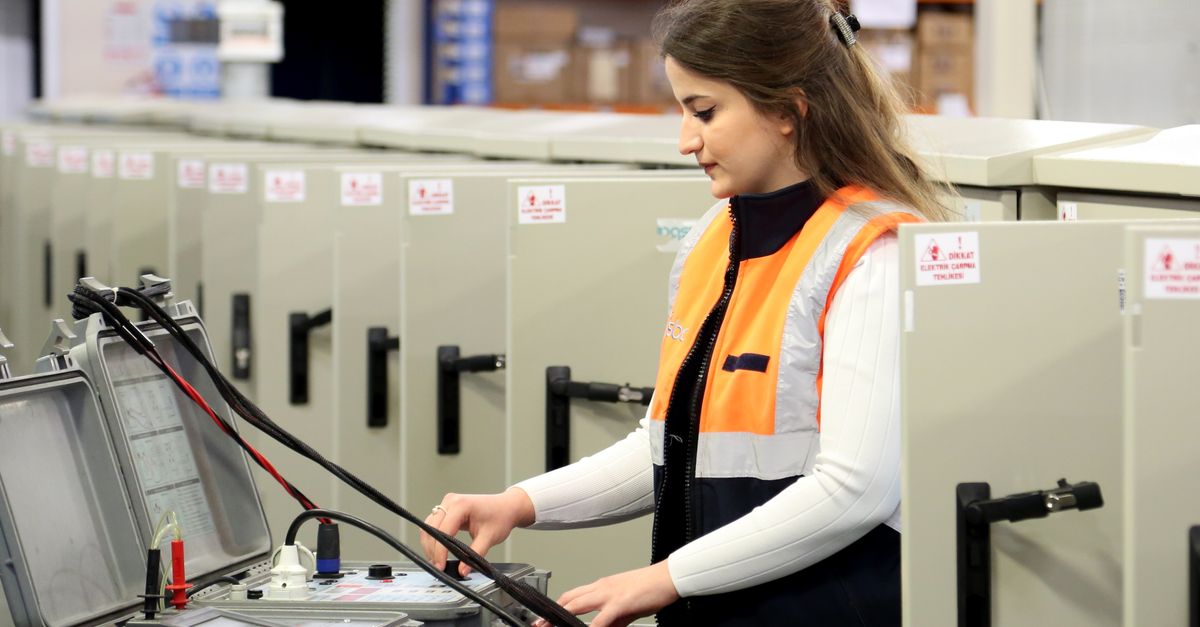
A commercial electrician must possess strong problem-solving and troubleshooting skills to effectively address electrical issues in various settings. This encompasses the ability to diagnose faults systematically and accurately. Techniques such as interpreting circuit diagrams, using testing equipment, and performing visual inspections are essential for identifying the underlying causes of electrical problems. Electricians should not only rely on their technical knowledge but also draw on their experience to assess situations and develop solutions promptly.
Beyond technical prowess, critical thinking plays a significant role in resolving issues quickly. An effective electrician evaluates multiple approaches before determining the best course of action, which may involve strategising repairs or replacements while considering the safety and functionality of the electrical system. Being resourceful is crucial, as electricians often encounter unexpected challenges requiring innovative solutions. This adaptability ensures timely project completion and minimises downtime for clients relying on their expertise.
Identifying and Resolving Electrical Issues
An effective commercial electrician must possess strong problem-solving skills to diagnose and rectify electrical issues. This involves not just identifying faults, but also understanding their underlying causes. Techniques may include systematic testing of circuits, analysing voltage readings, and visually inspecting connections and components. The ability to interpret electrical schematics and blueprints can significantly streamline the troubleshooting process, allowing for faster and more accurate assessments.
Once the issues are identified, implementing solutions becomes crucial. This can involve replacing faulty components, upgrading wiring systems, or even redesigning electrical layouts to enhance efficiency and safety. A thorough understanding of both current codes and best practices ensures that repairs are not only effective but also compliant. Continuous education and hands-on experience in various environments equip electricians with the tools necessary to resolve complex problems confidently.
FAQS
What are the key industry standards to consider when assessing a commercial electrician's skills?
Key industry standards include compliance with Australian Standards (AS/NZS 3000), adherence to the National Electrical and Communications Association (NECA) guidelines, and understanding of local regulations and codes relevant to electrical work.
How important is familiarity with compliance regulations for a commercial electrician?
Familiarity with compliance regulations is crucial as it ensures that the electrician's work meets safety and quality requirements, reducing the risk of accidents and legal issues.
Why are communication skills important for commercial electricians?
Communication skills are vital for commercial electricians as they need to effectively collaborate with team members, clients, and stakeholders to ensure that projects are completed successfully and meet client expectations.
What should I look for when evaluating a commercial electrician's problem-solving skills?
Look for their ability to identify electrical issues quickly, their methodology in troubleshooting problems, and their past experiences in resolving complex electrical challenges efficiently.
How can I assess a commercial electrician's teamwork capabilities?
You can assess their teamwork capabilities by asking for examples of past projects where they collaborated with others, their approach to conflict resolution, and feedback from previous colleagues or clients on their collaborative skills.
Related Links
The Role of Professional Associations in Establishing CredibilityAssessing Previous Project Experience for Better Hiring Decisions
The Importance of Verifiable References in Choosing an Electrician
Recognising Red Flags in Experience Claims by Electricians
Comparing Levels of Expertise Among Electricians
Key Questions to Ask About Past Commercial Projects
Understanding the Impact of Industry Experience on Service Quality
How to Determine the Years of Experience in Commercial Electrical Work