Common Mistakes to Avoid During Electrical Installations
Table Of Contents
Poor Wiring Practices
Proper wiring is fundamental for ensuring a safe and efficient electrical system. Many individuals overlook the significance of adequately securing wires, which can lead to various hazards, including shorts and increased fire risks. Additionally, using the wrong wire gauge for specific applications can result in overheating and eventual failure. Following manufacturer guidelines and local compliance standards is essential to maintain system integrity.
Another common mistake involves neglecting to organise wiring, leading to disarray within electrical panels and junction boxes. This can make future maintenance more complicated and increase the chance of errors during inspections. Labeling wires appropriately helps in tracing connections and understanding the layout of the circuit. Taking the time to plan and implement organised wiring practices not only enhances system reliability but also promotes safety during operation and maintenance.
Best Practices for Wiring Installations
Ensuring a tidy and organized approach to wiring installations is crucial. Start by planning the layout thoroughly before any wires are placed. Use appropriately rated cables for the specific applications and always follow the manufacturer's guidelines. Strive to keep wires neatly arranged and secure them using cable ties or other supports. This practice not only maintains aesthetics but also reduces the risk of wear and potential hazards.
Additionally, it is essential to avoid overloading circuits. To achieve this, calculate the total load before installation and ensure that the circuit can handle the demand. Implement correct sizing of breakers and fuses, and don’t hesitate to consult with relevant electrical codes and standards. Proper segregation of circuits can also help in managing the load effectively while facilitating future maintenance.
Overlooking Grounding Requirements
Grounding is a fundamental aspect of electrical safety that is often neglected during installations. Proper grounding helps prevent electrical shock and ensures the safe operation of electrical devices. When the grounding system is inadequate or improperly implemented, it can lead to dangerous situations, including electrocution or equipment damage. Familiarity with local regulations and standards is essential to ensure compliance and promote safety in any electrical project.
Adopting effective grounding techniques can significantly enhance system reliability. Incorporating ground rods, bonding conductors, and utilising grounding through the electrical panel are essential steps in establishing a robust grounding system. Regular inspection and maintenance of grounding systems can mitigate risks associated with electrical faults. Ensuring that all installations meet the required grounding specifications not only enhances safety but also improves the overall performance of electrical systems.
Grounding Techniques for Electrical Systems
Proper grounding techniques are essential for the safety and reliability of electrical systems. The grounding electrode system typically includes ground rods, plates or other conductive materials buried in the earth. These must be installed in accordance with local regulations. The size and depth of the grounding electrodes often depend on soil resistivity. It’s critical to ensure that the connection between the electrodes and the grounding conductors is both secure and corrosion-resistant to maintain long-term effectiveness.
Additionally, grounding for electrical systems should extend to all the components, including outlets and equipment. Bonding metal parts reduces the risk of electrical shock and helps in the quick operation of protective devices in fault conditions. Care should also be taken to maintain clear pathways for grounding conductors to prevent interference or damage. Regular inspections can help identify any wear or detachment that may compromise the system’s integrity. Keeping a comprehensive record of grounding installations promotes accountability and compliance with safety standards.
Failing to Test Installations
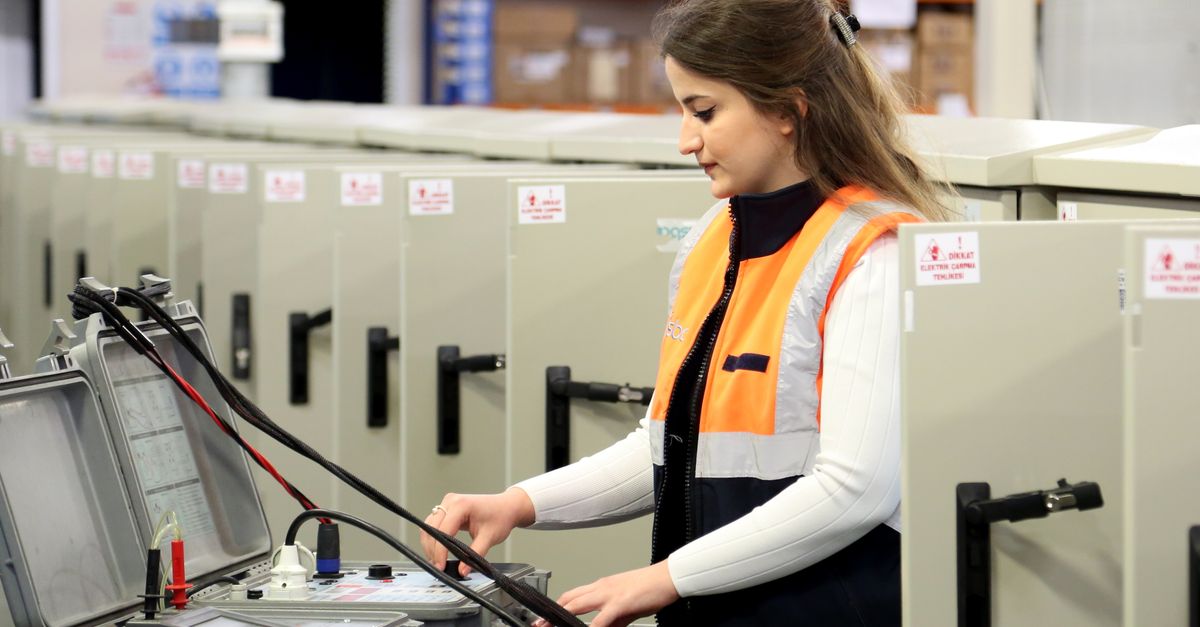
Testing electrical installations is a critical step to ensure safety and functionality. Many professionals underestimate the importance of this process, leading to potential hazards. Electrical systems that are not tested may harbour issues such as incorrect wiring or poor connections, which can create serious risks like short circuits or electrical fires. A thorough examination before the final setup can prevent these dangers and enhance the overall reliability of the installation.
Regular testing allows for the detection of any discrepancies early in the installation process. Utilising appropriate testing equipment ensures that voltage levels, current flow, and continuity are all within safe parameters. Additionally, following the relevant standards and regulations is essential for compliance and safety. Neglecting this important step not only jeopardises the safety of individuals but can also result in costly rectifications later on if issues arise post-installation.
Importance of Testing Electrical Work
Testing electrical installations ensures safety and functionality. It verifies that systems are working correctly and can handle the required load without risk of failure. Failure to test can lead to hazardous situations, including electrical fires or system malfunctions that may cause injury or damage. Regular testing identifies potential issues, allowing for timely interventions before they escalate into significant problems.
Furthermore, testing helps to comply with relevant regulations and standards. Adhering to these guidelines not only safeguards people and property but also enhances the reliability of electrical systems. An untested installation may not meet these standards, leading to potential legal and financial repercussions. By prioritising testing, electricians contribute to a culture of safety and professionalism within the industry.
FAQS
What are some poor wiring practices to avoid during electrical installations?
Some poor wiring practices include using undersized wires, incorrect wire connections, failing to secure wires properly, and neglecting to follow local electrical codes and standards.
Why is grounding important in electrical installations?
Grounding is crucial as it provides a safe path for electricity to flow in case of a fault, reducing the risk of electric shock and equipment damage. It helps to stabilise voltage levels and prevent electrical surges.
What techniques can be used to ensure proper grounding in electrical systems?
Effective grounding techniques include using ground rods, bonding all metal parts of the system, using grounding conductors, and ensuring that connections are tight and corrosion-resistant.
Why is testing electrical installations necessary?
Testing electrical installations is necessary to ensure they function correctly and safely. It helps to identify any faults or issues that could lead to hazards such as electrical shocks, fires, or equipment failures.
What types of tests should be conducted after electrical installations?
After electrical installations, tests should include continuity tests, insulation resistance tests, earth fault loop impedance tests, and functional tests to ensure that all components operate as intended.
Related Links
Innovative Technologies in Commercial Electrical InstallationsBenefits of Upgrading Electrical Systems for Commercial Properties
Integration of Smart Technology in Electrical Installations
Effective Strategies for Electrical Load Management
The Role of Electrical Installations in Business Safety
Choosing the Right Wiring Systems for Your Business
How to Assess Your Business's Electrical Needs